Chemical Exfoliants: Types, Benefits, and How to Use Them
By: BML
Last Updated: June 24, 2025
While physical scrubs have been popular for years, chemical exfoliants have surged in popularity due to their gentler and more effective results. But what exactly are chemical exfoliants, how do they work, and how can you use them properly in your skincare routine? Let’s dive into it.
What Are Chemical Exfoliants?
Chemical exfoliants are skincare ingredients that remove dead skin cells by breaking down the bonds between them, allowing them to shed naturally. Unlike physical exfoliants that use granules or brushes to slough off dead cells manually, chemical exfoliants work at a deeper level. They can be gentler on the skin when used correctly.
Types of Chemical Exfoliants
There are three primary categories of chemical exfoliants:
1. Alpha Hydroxy Acids (AHAs)
AHAs are water-soluble acids that work on the skin’s surface, making them ideal for dry or sun-damaged skin.
Common AHAs:
- Glycolic Acid: Derived from sugar cane, it has the smallest molecular size, penetrating deeply and promoting collagen production.
- Lactic Acid: Derived from milk, it’s gentler than glycolic acid and excellent for sensitive skin.
- Mandelic Acid: Sourced from almonds, it has antibacterial properties and is good for acne-prone skin.
Best for: Dry, dull, or aging skin
Benefits: Smoother texture, improved skin tone, reduced fine lines
2. Beta Hydroxy Acids (BHAs)
BHAs are oil-soluble, meaning they penetrate deeper into the pores to unclog them. This makes them especially beneficial for oily and acne-prone skin.
Common BHA:
- Salicylic Acid: The most well-known BHA, derived from willow bark. It’s effective for treating blackheads, whiteheads, and inflammation.
Best for: Oily, acne-prone, or congested skin
Benefits: Reduced breakouts, minimized pores, improved clarity
3. Polyhydroxy Acids (PHAs)
PHAs are similar to AHAs but have larger molecules, so they penetrate more slowly and are gentler on the skin. They also offer moisturizing and antioxidant benefits.
Common PHAs:
- Gluconolactone
- Lactobionic Acid
Best for: Sensitive or reactive skin
Benefits: Mild exfoliation, improved hydration, reduced irritation
How to Use Chemical Exfoliants
Using chemical exfoliants correctly is key to seeing results without damaging your skin.
1. Start Slow
If you're new to chemical exfoliants, start with a lower concentration (around 5-10% for AHAs, 0.5-1% for BHAs) and use it 1–2 times per week.
2. Cleanse First
Always apply chemical exfoliants to clean, dry skin. Avoid combining them with other potent actives like retinoids or vitamin C unless directed by a professional.
3. Follow With Hydration
After exfoliating, apply a hydrating serum or moisturizer to soothe the skin barrier and lock in moisture.
4. Use Sunscreen
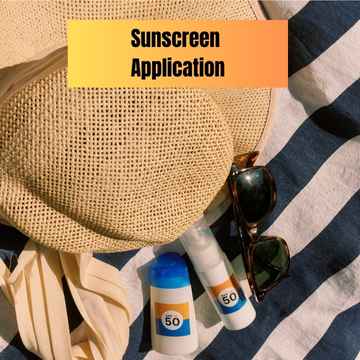
Chemical exfoliants can make your skin more sensitive to UV rays. Daily use of broad-spectrum SPF 30 or higher is a must.
Things to Watch Out For
- Over-exfoliation: Signs include redness, flaking, increased sensitivity, and breakouts. Cut back if this happens.
- Purging vs. breaking out: Some people may experience a temporary purge as pores clear. If irritation persists beyond 2–3 weeks, discontinue use.
- Mixing actives: Avoid using exfoliants with strong actives like retinol or vitamin C unless you're experienced or guided by a dermatologist.
Finding chemical exfoliants at Beautymasterlist
We have classified chemical exfoliants into two categories: wash-off chemical exfoliants and leave-on chemical exfoliants. These mainly include toners and serums. We have a separate group of moisturizers with exfoliating acids.
You can also find 2-in-1 exfoliants that include both physical and chemical exfoliants, like a scrub that also has chemical exfoliants.
Final Thoughts
Chemical exfoliants are a game-changer in skincare when used correctly. Whether you're battling dullness, acne, or signs of aging, there's likely a chemical exfoliant that can help you. Start slowly, pay attention to your skin’s response, and always prioritize hydration and sun protection.
-3fc7145d8705e90aefbb3e9ac3d6e040781bb7be259a2e5ef203986873fa97a7.png)
The articles at Beauty Master List are solely for informational purposes and do not replace medical advice, nor are they intended to provide any