Using Foundation with SPF as a Sunscreen: Is It Enough?
By: BML
Last Updated: June 23, 2025
In the world of multitasking beauty products, foundations with SPF have become a go-to for many looking to simplify their skincare and makeup routine. They promise flawless coverage and sun protection all in one swipe — but can your foundation with SPF truly replace traditional sunscreen? Let’s unpack the science and facts behind using foundation with SPF as a sunscreen and what you need to know to protect your skin.
The Basics: What Is SPF?
SPF, or Sun Protection Factor, measures how well a product protects your skin from UVB rays — the kind that cause sunburn and contribute to skin cancer. However, SPF does not measure protection from UVA rays, which penetrate deeper and are responsible for premature aging and may play a role in some skin cancers. For that, you need to look for a "broad spectrum" label, PA rating, or UVA circle symbol.
Foundation with SPF: What You’re Actually Getting
Many foundations claim to include SPF. On paper, this seems like a win: makeup and sun protection in one product! But there’s a catch.
The Problem: Amount Matters
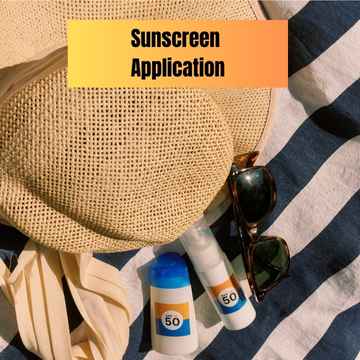
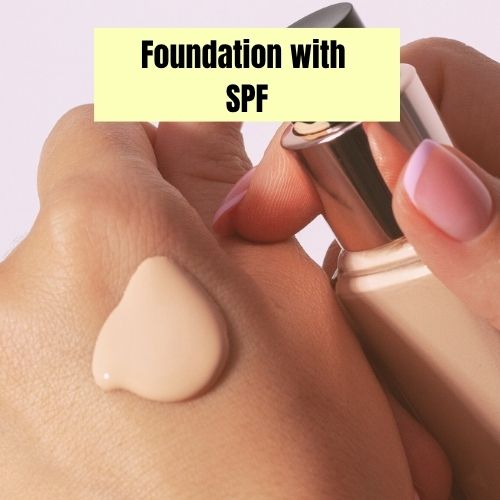
It is recommended to apply about 1/4 teaspoon of sunscreen for your face alone. In contrast, most people apply just a thin layer of foundation, far less than what's needed to achieve the advertised SPF protection.
Most people apply only a far smaller amount needed to achieve the labeled SPF value. That means your SPF 30 foundation might only be giving you SPF 8-15 in real-world use, far below what’s recommended for daily protection.
How to Use Foundation with SPF Correctly
1. Use It As a Supplement, Not a Substitute
Think of SPF foundation as an extra layer of defense, not your primary shield. Apply a dedicated, broad-spectrum sunscreen first, then follow with your foundation.
2. Layer Strategically
Use a broad-spectrum sunscreen, and then foundation with SPF for added protection. This technique, often called “SPF layering,” doesn’t add the SPF values together, but it ensures fewer UV rays make it through.
3. Look for Broad Spectrum
Always choose foundations that are labeled "broad spectrum" or protect from UVA rays too, so you’re getting protection from both UVA and UVB rays.
4. Reapply as Needed
Sunscreen needs to be reapplied every 2 hours, especially if you're sweating or spending time outdoors. You can’t reapply traditional foundation easily, but there are many sunscreens you can use for topping up without ruining your makeup.
Tips for Choosing the Right Foundation with SPF
- Check the SPF Level: Aim for at least SPF 30.
- Go Broad Spectrum: Always.
- Choose Lightweight Formulas: They’re easier to layer over sunscreen without pilling.
Finding foundations with SPF at Beautymasterlist
You can easily find foundations with SPF at Beautymasterlist using filters. Here are the creamy/liquid foundations with SPF.
The Verdict: Is Foundation with SPF Enough?
No, it’s not enough on its own. While it offers some protection, a foundation with SPF doesn’t replace the need for a separate sunscreen. The amount of product applied is simply too little to offer the full labeled protection. However, when combined with a proper sunscreen, it can help strengthen your sun defense. Your skin will thank you.
-3fc7145d8705e90aefbb3e9ac3d6e040781bb7be259a2e5ef203986873fa97a7.png)
The articles at Beauty Master List are solely for informational purposes and do not replace medical advice, nor are they intended to provide any