Disclosure: This page may contain affiliate links. Read our full disclosure policy.
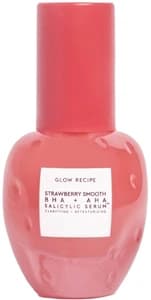
This product belongs to the sub-category: Leave-on Chemical Exfoliants
Full ingredient list
Water/aqua/eau,Ingredient highlights
Alcohol-free
Paraben-free
SLS-free
Mica-free
Free of fragrance (parfum) and irritating essential oils.
Quick Review of Ingredients
Ingredients explained
1
Also-called: Aqua, Aqua/Water, Water, Aqua/Water/Eau | Function: Skin conditioning, Solvent
2
3
Price range
Reviews
-3fc7145d8705e90aefbb3e9ac3d6e040781bb7be259a2e5ef203986873fa97a7.png)
The product information is solely based on the ingredients. We do not test the product so cannot determine its efficacy. (Read more on the FAQ page) Every effort is made to keep the information current and up to date. If you find anything missing or see any errors, let us know.
Similar products